Username for 'https://github.com': GridScience Password for 'https://GridScience@github.com': Branch master set up to track remote branch master from https://github.com/GridScience/gridscience.github.io.git. Everything up-to-date [info] Deploy done: github
这个 not staged for commit 到 no changes 感觉很奇怪。
git 的话,我用的是 Git For Windows,不是 msysgit 的网络安装版。
02:12
重试了几次,GitHub for Windows 都崩了,无法同步。用 git 手工 stage,commit,才更新。
warning: LF will be replaced by CRLF in archives/index.html.
The file will have its original line endings in your working directory.
warning: LF will be replaced by CRLF in index.html.
The file will have its original line endings in your working directory.
warning: LF will be replaced by CRLF in tags/日常/index.html.
The file will have its original line endings in your working directory.
Username for 'https://github.com': GridScience
Password for 'https://GridScience@github.com':
Branch master set up to track remote branch master from https://github.com/GridScience/gridscience.github.io.git.
To https://github.com/GridScience/gridscience.github.io.git
f5a3350..dd3a964  master -> master
[info] Deploy done: github
Using Windows Tools to Obtain IPv6 Configuration Information
Zone IDs for Link Local Addresses ---------------------------------
For link-local addresses, the zone ID is typically the index of the interface that either assigned the address or is to be used as the sending interface for a link-local destination. The interface index is an integer starting at 1 that is assigned to IPv6 interfaces, which include a loopback and one or multiple tunnel or LAN interfaces. You can view the list of interface indexes from the display of the
netsh interface ipv6 show interface command
e.g. ping fe80::2b0:d0ff:fee9:4143%3 tracert fe80::f282:2b0:d0ff:fee9:4143%2
IPv6 DNS Settings -----------------
netsh interface ipv6 add dns "interface name" <ipaddress>
By default MS systems try using the site local addresses (fec0:0:0:ffff::1, fec0:0:0:ffff::2, and fec0:0:0:ffff::3) and addresses for Sire DNS servers. This is covered in an now obsolete IETF draft.
Be kind to your ISP and firewall the old deprecated sitelocal addresses.
IPCONFIG & ROUTE ----------------
ipconfig shows IPv6 info associated with interfaces.
Windows usually has several IPv6 tunnel interfaces configured by default, though often these are inoperative.
route print
shows any IPv6 routing. And routes can be manually added, if necessary.
Turning OFF ICS ---------------
1. Click the Start button and then click Control Panel:
2. On the Control Panel window look for the Network and Internet icon
3. Open Network Connections by clicking View network Status and tasks underneath Network and Internet and then clicking Manage network connections on the left hand side.
4. Right-click the shared connection, and then click Properties. If you are prompted for an administrator password or confirmation, type the password or provide confirmation.
5. Click the Sharing tab, clear the Allow other network users to connect through this computers Internet connection check box, and then click OK.
If you follow the steps above, but dont see a Sharing Tab
There are several reasons this Tab may not be visible, but if you cannot see it, either it means you only have one network card installed in your computer or that the user interface components of ICS for Vista are not installed. Recent testing has revealed that ICS may still be running in the background. To check that this is not the case:
Click Start and in the search box type in Services.msc and press ENTER
In the Services windows, look for Internet Connection Sharing (ICS) and double click it.
In the new window select Disabled in the Startup type option.
Also remove the extra functionality in your Local Area Connection properties by uninstalling
As well as un-checking the IPv6 box.
Disabling IPv6 --------------
# Go to Network Connections folder (click on Start button, then right click on Network, select Properties, then click on Manage network connections on Tasks pane).
# Right click on the network connection that you want to disable the IPv6 interface and select Properties.
# Click Continue on User Access Control permission request prompt.
3. Create the following registry value (DWORD type):
DisabledComponents
Note that the name must be exactly as shown, including capitalization. DisabledComponents is set to 0 by default.
4. The DisabledComponents registry value is a bit mask that controls the following series of flags, starting with the low order bit (Bit 0). To determine the value of DisabledComponents for a specific set of bits, the process is complicated, were hexadecimal value is calculated from binary number of the bits in correct position. For convenient, the following table lists some common configuration combinations and the corresponding DWORD value of DisabledComponents.
Configuration combination DisabledComponents value Disable all tunnel interfaces 01 Disable 6to4 02 Disable ISATAP 04 Disable Teredo 08 Disable Teredo and 6to4 0xA Disable all LAN and PPP interfaces 010 Disable all LAN, PPP, and tunnel interfaces 011 Prefer IPv4 over IPv6 020 Disable IPv6 over all interfaces and prefer IPv4 to IPv6 0xFF
As seen from table above, to disable IPv6 support globally on all interface, set the value data for DisabledComponents to 000000FF, or simply FF. The registry entry will look like below:
netsh interface ipv6 show ... ... address shows address setting per interface ... destinationcache show next hop settings ... global global settings ... interface summary of interfaces and info, inc number, mtu, name etc ... joins show multicast addresses ... neighbors show neighbours - 'merkan spelling ... prefixpolicy shows prefixes and use ... privacy show privacy settings ... routes routing table ... siteprefixes ... state shows state of some setting (deprecated settings???) ... teredo shows teredo information
netsh interface ipv6 6to4 ... ... dump ... reset ... set ... interface Usage: set interface [name=]<string> [[routing=](enabled|disabled|default)] e.g. set interface "Private" enabled ... relay Usage: set interface [name=]<string> [[routing=](enabled|disabled|default)] e.g. set interface "Private" enabled ... routing Usage: set routing [[routing=](enabled|disabled|automatic|default)] [[sitelocals=](enabled|disabled|default)] e.g. set routing default default set routing routing=enabled sitelocals=enabled ... state Usage: set state [[state=](enabled|disabled|automatic|default)] [[undoonstop=](enabled|disabled|default)] e.g. set state default default set state state=enabled undoonstop=disabled ... show ... interface ... relay ... routing ... state
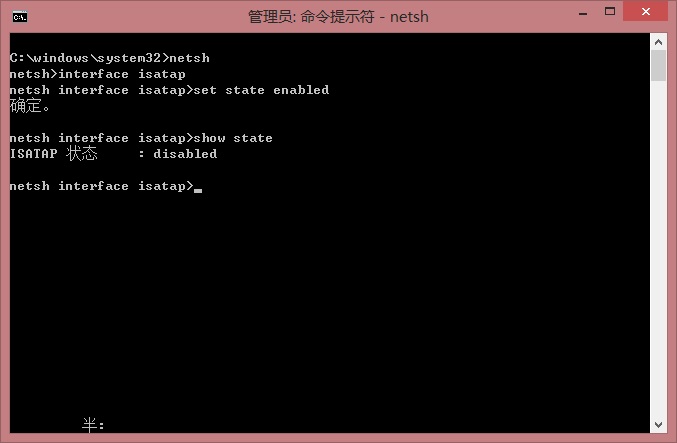
netsh interface ipv6 isatap ... ... dump ... set ... router Usage: set router [[name=](<string>|default)] [[state=](enabled|disabled|default)] [[interval=]<integer>] e.g. set router isatap enabled 1440 ... state [state=](enabled|disabled|default) ... show router|state
netsh interface ipv6 set ... ... address - Modifies IPv6 address information. ... global - Modifies global configuration general parameters. ... interface - Modifies interface configuration parameters. ... mobility - Modifies mobility configuration parameters. ... prefixpolicy - Modifies prefix policy information. ... privacy - Modifies privacy configuration parameters. ... route - Modifies route parameters. ... state - Sets the state of deprecated functionality. ... teredo - Sets Teredo state. Usage: set teredo [[type]=disabled|client|enterpriseclient|default] [[servername=]<hostname>|<IPv4 address>|default] [[refreshinterval=]<integer>|default] [[clientport=]<integer>|default]
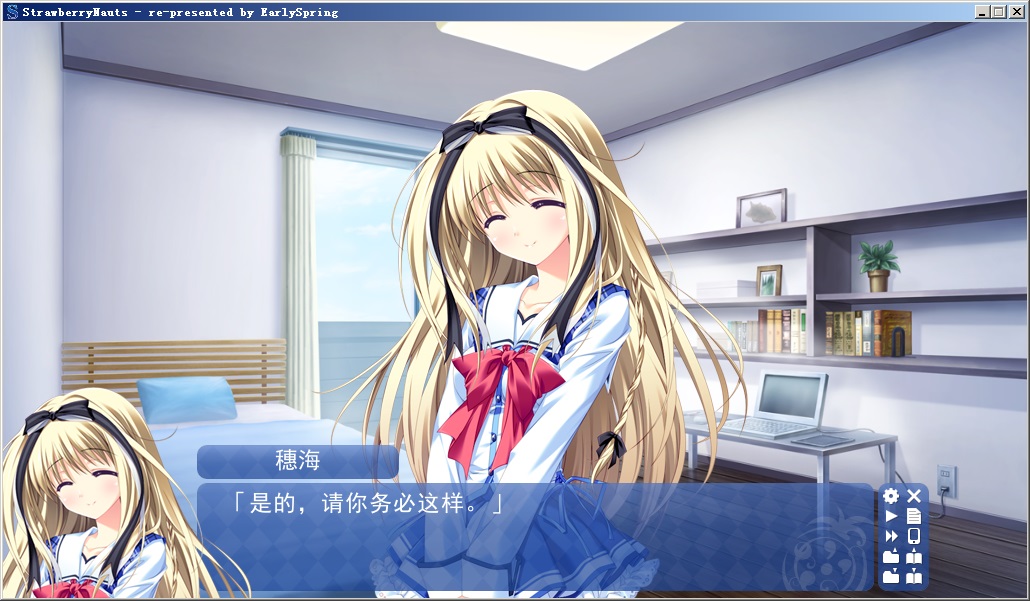
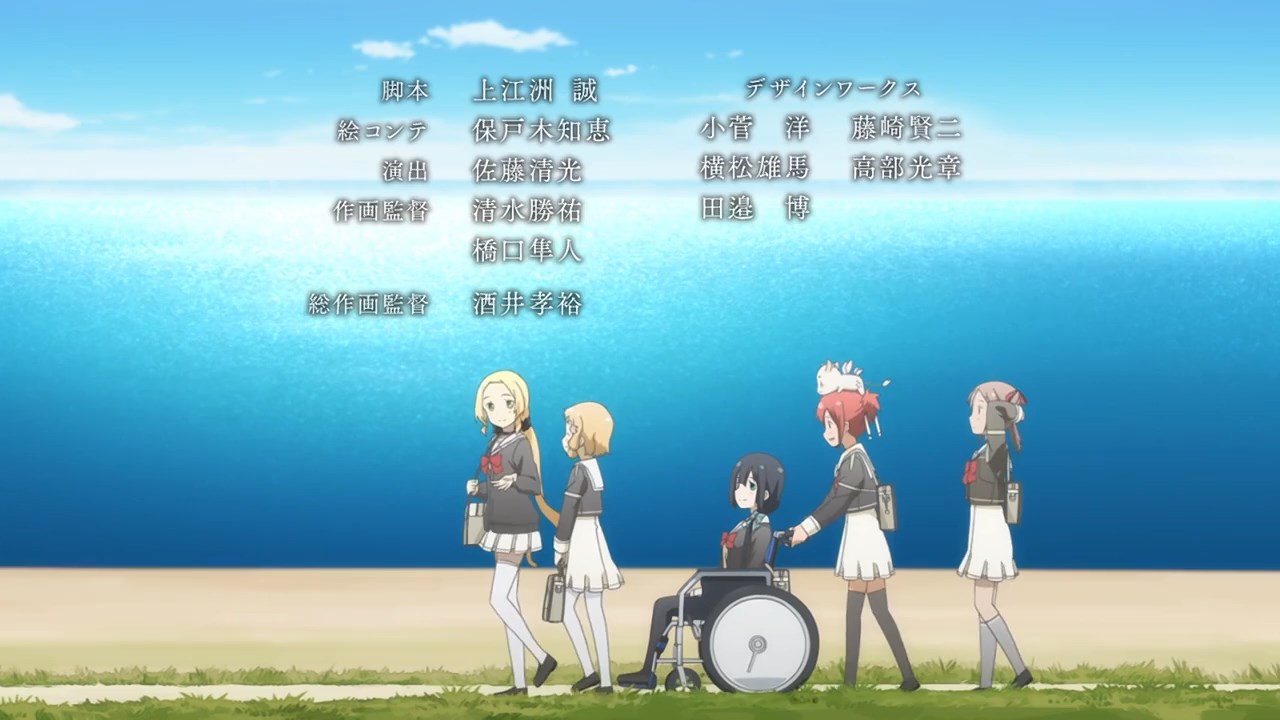
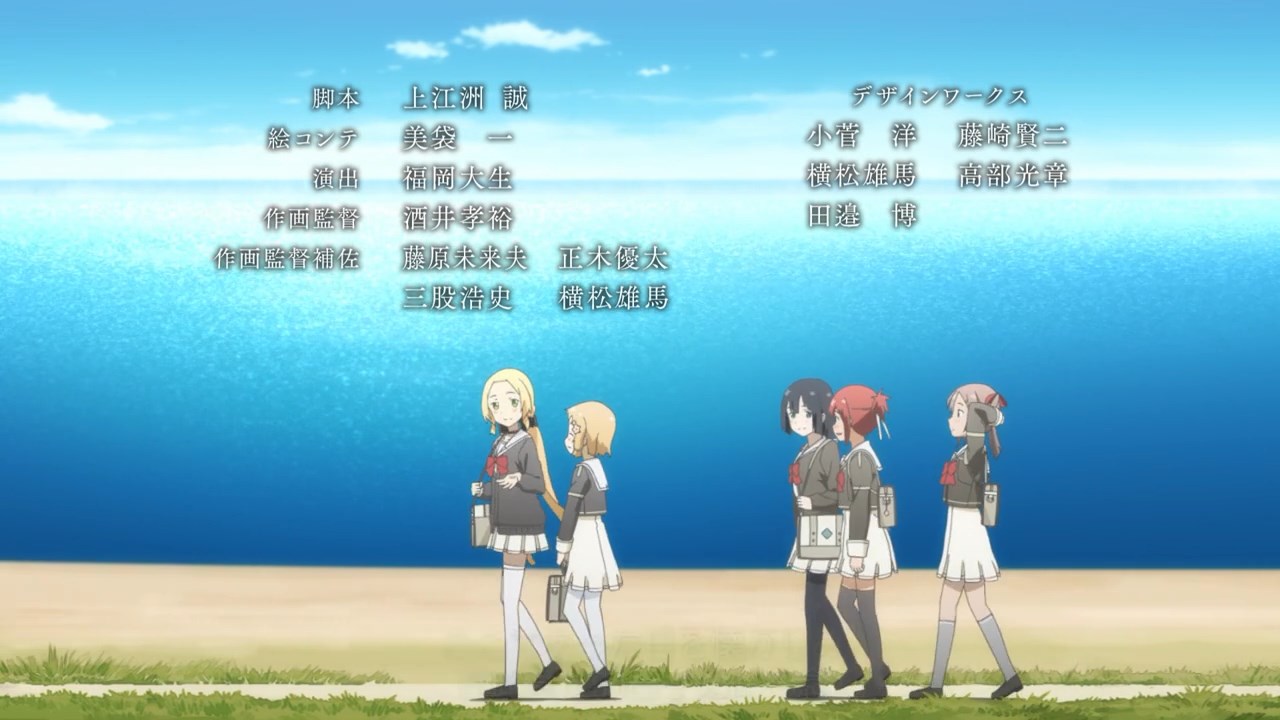
经过了种种日常,在拒绝了蒔菜“买爸爸”的提议之后某天,主角又接到了工作。回来的时候,在校门口被 J. B. 送上了一个“晚安的吻”,这一幕被幸撞到了,而且拍下来了。主角回到房间,天音做好饭菜,然后收到了幸发来的短信“我什么也不知道;我什么也没看到”,附件是某张照片。(吐槽:是否跟 Agent Simmons 在 Agents of SHIELD S02E05 差不多?)
天音在之前与 J. B. 见过一面,当时 J. B. 开着跑车,“勾引”着主角。那么现在就是做出选择的时候了!经过一堆废话之后,主角开动后宫之王专属技能——以吻偷心。于是,正式进入天音线。
经过多次啪啪啪之后(后来我数过,天音的 scene 是所有女主角中最多的,一共5次),某天在商店街,主角偶然听到了路人关于“蟑螂”(英化版为“cockroach”)的闲话。
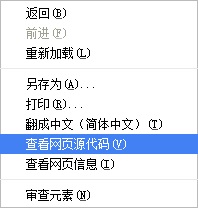
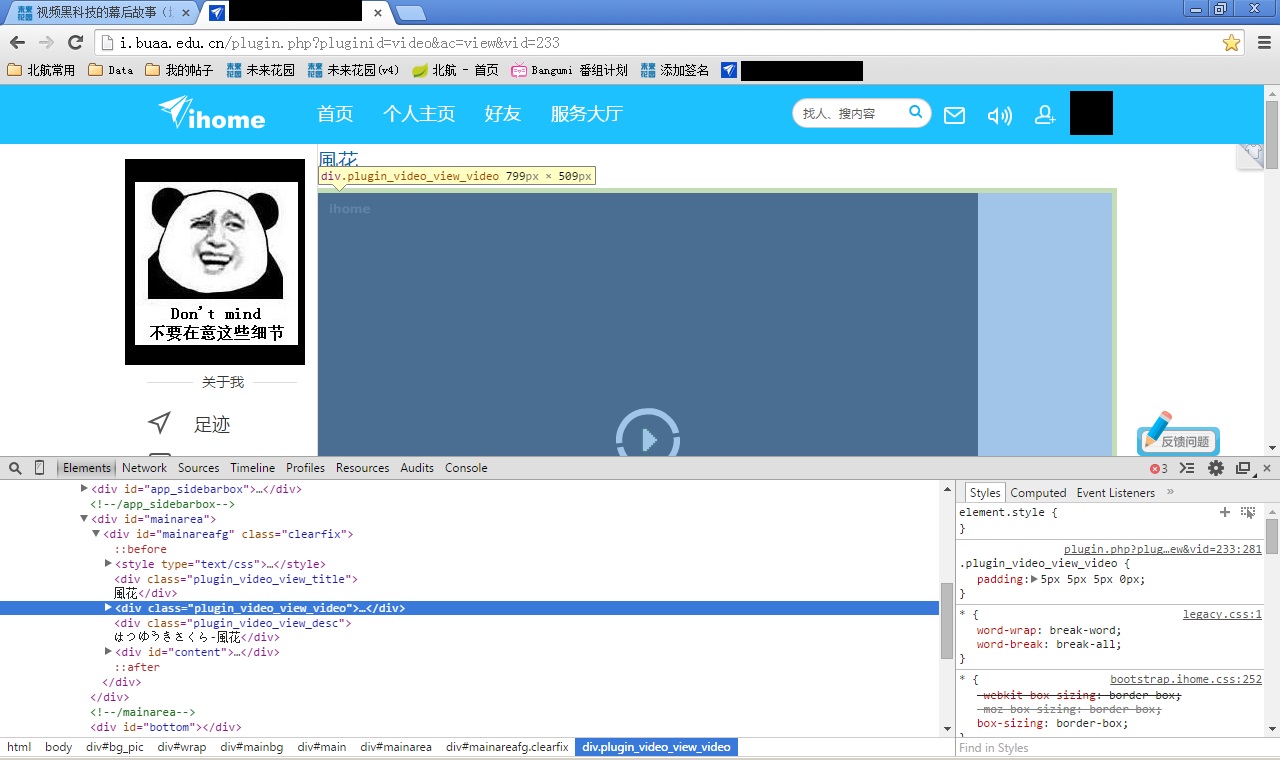
到这里可能有的同学要问了,那么为什么我们会见到 .aspx(ASP .NET 页面文件),就像花园这样呢?略了解的同学会知道,ASP 页面和 HTML 还是有一点差别的。
这是因为,HTML 其实是一个相对静态的语言,所描述的只是一个静态的页面。即使加入了 JavaScript/VBScript,应变能力还是有限。由此人们想出了一种方法,让页面返回一个 HTML 页面。
采用这种方法的典型例子如 ASP/ASP .NET,以及 PHP。当你向服务器发起请求连接到相应的页面时,相应的 IIS/Apache 服务器会动态执行该页面代码,并输出一个 HTML 页面。这样,虽然地址栏里还是 .asp/.aspx/.php,但是读取到的仍然是一个 HTML 页面。说白了就是源页面写了一个 HTML 文件(当然实际上有点区别)。
那是因为在程序运行时,有当前目录(current directory)的概念。在进行文件操作时,操作系统会检测所输入的路径是绝对路径还是相对路径,如果是绝对路径则直接寻找相应的文件,否则按照一定规则在各个目录中寻找。例如,在 Windows 中,是“当前目录→%SYSTEM%→%WINDOWS%→%PATH%中的各个目录”。(插一句,在运行程序的时候,工作目录(working directory)指的就是将被设为默认当前目录的目录。)
什么是“流”呢?我觉得,将其形象地想象成水流就好了,访问者看上去数据像在数据流入(读)流出(写)。流的实质是缓冲区(buffer),随读写需要,访问者从这块缓冲区读数据,或者往这块缓冲区里写数据。对于可读的流,缓冲区的数据量低于一定值时,会从源处加载数据以尽量“充满”这个流,直到无剩余数据可读;对于可写的流,如果写入的数据超过了缓冲区大小,则将其真正地写入目标(也可以指定即时的操作)。当一个流关闭时,缓冲区将被释放,所含数据被清空,对于可写流,数据将被写入。内部实现可以用缓冲区指针的方式,所以合理用 C 中的文件函数就可以模拟 C++ 中的 istream 和 ostream,毕竟是差不多的。操作者可以一直调用读取或者写入操作,不用间断(需要相应支持),因此才像连续的水流一样。
At the Enrichment Center we promise never to value your safety above your unique ideas and creativity. However, do not destroy vital testing apparatus.
我大 Gatekeeper 镇楼。
开发引擎中,代号 Haru。
目前需求:
OS: Windows Vista 或以上(因为 MonoGame 使用的 SharpDX 强制加载 DirectX 11;我机器显卡不支持 OpenGL v3 因此也无法使用 Windows OpenGL 模板)。嗯跨平台最后肯定要解决 XP 这一块的问题的,实在不行就自己去修改源代码编译 SharpDX。
A:我讨厌无类型语言!(←知道我在说谁吧)而且 KiriKiri 主程序用了许多 Windows API 导致无法移植到其他平台。W. Dee 正在做 KiriKiri 3(目标是跨平台),不过总觉得吧,我们可以自己实现一个这个……而且不管对于希望写小游戏的人还是游戏公司还是希望研究这个的人,C# 明显比 C++ 好理解多了对吧,开发效率也高一些……(而且 KiriKiri 缺少中文或英文注释!连文档都是日文的!叫我这种日文渣怎么扫啊!)至于 KAG,那是见仁见智的事情……高级制作肯定不止要用 KAG,至少要深入 TJS 吧……这一段看以后脚本化了怎么设计吧。













































 _
_